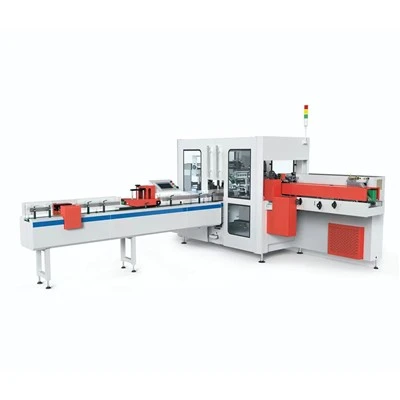
Stable operation is the foundation for consistent napkin output and fewer unexpected stops. Many factory owners overlook small details until frequent jams, uneven folding or broken paper start hurting production efficiency.
First, the base raw jumbo roll quality matters most. If the parent roll has inconsistent tension, loose edges, dust or uneven thickness, the paper web will shift during feeding. Even a well-adjusted napkin machine struggles to keep steady with poor jumbo rolls.
Second, proper tension control across the whole paper path cannot be ignored. Too tight, and the paper tears easily; too loose, and it wrinkles or misaligns before embossing and folding. Operators need to check tension rollers regularly and avoid sudden speed changes during running.
Mechanical alignment is another critical point. Misaligned folding blades, uneven embossing rollers and worn guide rollers will cause regular skewing of napkin sheets. Daily visual checks and timely lubrication reduce this risk.
The third factor is air supply for pneumatic parts. Most modern napkin machines use air to control folding and counting. Unstable air pressure, moisture inside air pipes or blocked valves will lead to erratic action and unqualified finished napkins.
Finally, speed matching and routine maintenance play a big role. Running the machine far above its rated speed brings continuous vibration. Regular cleaning of paper dust, replacing worn belts and bearings on schedule keeps the whole system running smoothly.
When these points are well managed, the napkin machine maintains stable output, lowers waste rate and cuts downtime effectively.